This site is also available in:

The latest changes in Dubai’s business legislation

The latest changes in Dubai’s business legislation

Dubai’s government is well-known for its forward-thinking approach to economic growth and business development. Over the past few years, significant changes have been made to the city’s business legislation to enhance its appeal to international investors, entrepreneurs, and corporations. These changes reflect Dubai’s commitment to creating a competitive and dynamic business environment. This article is kept up to date as the rules develop: below, we go through the changes that matter most and what they mean for businesses and investors.


Key updates in Dubai’s business legislation

1. 100% foreign ownership for mainland companies

Historically, international investors needed a local sponsor who held 51% ownership in mainland companies. Recent reforms now allow 100% foreign ownership in most business sectors.

Implications:

  • International investors gain complete control over their businesses.
  • Greater ease in decision-making and profit retention.
  • Boosts Dubai’s competitiveness as a global business hub.

2. Corporate tax introduction

In 2023, Dubai introduced a corporate tax of 9% on business profits exceeding AED 375,000. This marks a shift toward aligning with international tax practices.

Implications:

  • Tax transparency boosts investor confidence and attracts multinational corporations.
  • Small and medium enterprises (SMEs) pay 0% on profits up to AED 375,000.
  • Free zones continue to offer corporate tax incentives for qualifying companies, maintaining their attractiveness for specific industries.

3. Simplified residency and visa rules

Dubai has introduced a range of residency programs, including the Golden Visa, which offers long-term residency to investors, entrepreneurs, and skilled professionals.

Implications:

  • Greater stability and security for business owners and their families.
  • Simplified visa processes for relocating talent to Dubai.
  • Encourages long-term investment and business growth in the region.

4. Amendments to labor laws

New labor laws introduced flexible working arrangements, updated contracts, and enhanced worker protections.

Implications:

  • Boosts productivity and employee satisfaction with flexible work models.
  • Attracts top talent from around the world.
  • Improves compliance and reduces workplace disputes.

5. Enhanced data protection regulations

Dubai has updated its data protection laws to align with global standards, including GDPR.

Implications:

  • Strengthens trust in e-commerce and digital platforms.
  • Encourages innovation in tech sectors like fintech and blockchain.
  • Protects consumer and business data, fostering a secure business environment.

Sector-specific legislation

Technology and innovation

Dubai continues to push its Smart Dubai initiative, with legislation supporting the use of artificial intelligence, blockchain, and IoT.

Impact:

  • Opportunities for tech startups in free zones like Dubai Internet City and Dubai Silicon Oasis.
  • Enhanced support for research and development in emerging technologies.

Real estate and property

Reforms in property laws allow more flexibility for foreign investors, including residency visas for real estate purchases.

Impact:

  • Increased demand for luxury and commercial properties.
  • Boosts investor confidence in Dubai’s real estate market.

Financial services

The Dubai International Financial Centre (DIFC) has introduced fintech-friendly regulations to support innovation in financial technology.

Impact:

  • Encourages startups in fintech and digital banking.
  • Positions Dubai as a leading global financial hub.

Benefits of the new legislation

Increased investor confidence

Transparent tax policies, data protection measures, and ownership rights create a stable and reliable investment environment.

Support for economic diversification

Laws targeting technology, renewable energy, and healthcare align with Dubai’s vision for a diversified economy.

Improved ease of doing business

Simplified processes for licensing, visas, and labor laws reduce barriers for entrepreneurs and investors.

Remote company formation

For years, setting up in Dubai in practice required travelling there: authorities and banks expected physical presence, wet signatures, and an Emirates ID. That barrier has been lowered substantially. Many free zones now issue trade licenses entirely online, and non-residents can own and manage a UAE company without holding a residency visa.

Implications:

  • Company registration can be handled remotely with electronic signatures in many free zones.
  • Many UAE banks support remote onboarding with video KYC and electronic verification, and accept non-resident shareholders. The bank still makes the final decision on any account application.
  • A residency visa is not a legal requirement for owning a company or a corporate bank account.

What can be done remotely depends on the jurisdiction, your activity, and the bank, so we map this out for your specific case before anything is submitted.

What the changes mean for international investors

Taken together, the reforms have reshaped the investment landscape.

  • Market access: Full ownership in most mainland sectors gives investors greater market reach and operational flexibility.
  • Confidence: Transparent tax policies and pro-investor regulations create a stable and predictable environment.
  • New sectors: Initiatives in technology, renewable energy, and healthcare open opportunities in high-growth industries, from fintech to solar projects and medical tourism.

Investors should still plan for a few realities: corporate tax and VAT compliance is essential to avoid penalties, some industries such as defense still require local partnerships, and competition in high-demand sectors is increasing as more investors arrive.
What does it cost to start a business in Dubai?

What does it cost to start a business in Dubai?

Starting a business in Dubai is an exciting opportunity, thanks to the city’s strategic location, business-friendly environment, and access to global markets. However, understanding the costs involved is crucial for proper planning and budgeting. The costs of starting a business in Dubai vary depending on factors such as business structure, location, and operational requirements. In this blog, we’ll break down the key costs associated with launching a business in Dubai.


Key factors influencing startup costs

Several factors affect the overall cost of starting a business in Dubai:

  • Business structure: Mainland, free zone, or offshore businesses have different cost structures.
  • License type: Costs vary depending on whether you need a commercial, professional, or industrial license.
  • Location: Free zones often have specific pricing models, while mainland businesses may require additional approvals.
  • Additional services: Visa applications, office space, and other services add to the total cost.

Understanding these factors will help you estimate your startup budget.

Breakdown of costs to start a business in Dubai

1. Business license

Obtaining a business license is mandatory for operating in Dubai. The cost depends on the license type:

  • Commercial license: For trading activities, costs range from AED 10,000 to AED 15,000.
  • Professional license: For service-oriented businesses, costs range from AED 8,000 to AED 12,000.
  • Industrial license: For manufacturing and production businesses, costs start at AED 15,000.

2. Registration and approvals

The registration process involves fees for trade name approval, initial approval, and business registration:

  • Trade name approval: AED 500 to AED 1,000.
  • Initial approval: AED 1,000 to AED 2,000.
  • Company registration: AED 10,000 to AED 15,000, depending on the authority.

Some industries may require additional permits or certifications, which incur extra costs.

3. Office space

A physical office address is mandatory for mainland businesses, while free zones offer flexible options:

  • Mainland businesses: Office rent starts at AED 15,000 per year for basic spaces and can go up depending on location and size.
  • Free zones: Flexi-desk options cost around AED 5,000 to AED 10,000 annually, while private office spaces start at AED 15,000.

4. Visa costs

Visas are required for business owners, employees, and dependents:

  • Investor visa: AED 4,000 to AED 7,000, depending on the duration.
  • Employee visa: AED 3,000 to AED 5,000 per visa.
  • Dependent visa: AED 3,000 to AED 4,000 per visa.

Free zones typically offer visa packages, which can be cost-effective for startups.

5. Share capital (if applicable)

Some businesses, especially those in free zones, require a minimum share capital to be deposited in a bank account:

  • Share capital requirements range from AED 50,000 to AED 300,000, depending on the free zone.

This amount is refundable and used to demonstrate the financial stability of the company.

6. Additional costs

Other expenses to consider include:

  • Bank account opening: Initial deposit requirements vary but typically range from AED 10,000 to AED 50,000.
  • Marketing and branding: AED 5,000 to AED 20,000, depending on the scale of your campaign.
  • Insurance: AED 2,000 to AED 5,000 annually for employee and business liability coverage.

Cost comparison: Mainland vs. free zone vs. offshore

Category Mainland Free Zone Offshore
Business license AED 10,000-15,000 AED 8,000-12,000 AED 7,000-10,000
Office space AED 15,000+ AED 5,000-15,000 Not required
Visa costs AED 3,000-7,000 AED 3,000-5,000 AED 3,000-5,000
Registration fees AED 10,000+ AED 5,000-10,000 AED 3,000-8,000

Tips for cost optimization

  • Choose the right jurisdiction: Free zones are ideal for cost-conscious startups with no local market requirements.
  • Leverage flexi-desk options: Save on office space costs by opting for shared or virtual offices.
  • Seek professional guidance: Business setup consultants can help streamline the process and identify cost-saving opportunities.

Dubai vs. other global business hubs: What makes Dubai unique?

Dubai vs. other global business hubs: What makes Dubai unique?

Dubai has emerged as one of the most sought-after global business hubs, standing shoulder-to-shoulder with cities like New York, London, and Singapore. Its rise is a result of strategic investments, business-friendly policies, and a forward-thinking vision. But what sets Dubai apart from other global business hubs? This blog explores the unique features of Dubai’s business environment and highlights why it continues to attract entrepreneurs and investors worldwide.


Strategic location

Dubai’s geographic position gives it a distinct edge over other global business hubs.

  • At the crossroads of continents: Dubai connects Europe, Asia, and Africa, making it an ideal gateway to emerging markets.
  • Access to global markets: Businesses in Dubai can tap into over 2 billion consumers within a 4-hour flight radius.
  • Logistics hub: With world-class ports like Jebel Ali and two major international airports, Dubai facilitates seamless trade and travel.

This connectivity makes Dubai a critical link in global supply chains.

Tax-friendly environment

Unlike other global business hubs, Dubai offers a highly favorable tax structure.

  • No personal income tax: Professionals can retain their full earnings without deductions.
  • Low corporate tax: A 9% corporate tax is levied only on profits exceeding AED 375,000, making it competitive compared to other cities.
  • Tax incentives: Free zones in Dubai provide corporate tax incentives for qualifying companies and customs duty benefits.

This tax-friendly approach minimizes financial burdens, making Dubai a cost-effective base for businesses.

Business-friendly policies

Dubai’s government actively supports entrepreneurship and investment through its progressive policies.

  • Simplified business setup: Registration and licensing processes are efficient and transparent.
  • 100% foreign ownership: Available in free zones and many mainland sectors, unlike in some other global hubs.
  • Golden Visa program: Long-term residency options for investors, entrepreneurs, and skilled professionals.

These policies create a pro-business environment, encouraging innovation and growth.

Free zones and specialized hubs

Dubai’s free zones are a standout feature, offering tailored support for businesses.

  • Industry-focused zones: Free zones like Dubai Internet City, Dubai CommerCity, and Dubai Silicon Oasis cater to specific sectors.
  • Tax and ownership benefits: 100% foreign ownership, no customs duties, and simplified export-import processes.
  • Global trade facilitation: Zones like Jebel Ali Free Zone (JAFZA) are instrumental in international trade.

This model provides flexibility and cost-saving opportunities unmatched by many other cities.

Innovation and technology

Dubai’s investment in emerging technologies places it ahead of many global competitors.

  • Smart Dubai initiative: Aims to transform the city into a smart, tech-driven metropolis.
  • Focus on AI and blockchain: Dubai is a global leader in blockchain adoption and AI innovation.
  • Tech hubs: Areas like Dubai Internet City provide startups and tech companies with cutting-edge infrastructure and support.

This commitment to technology makes Dubai an innovation hub for future-ready businesses.

Diverse talent pool

Dubai’s multicultural workforce is one of its greatest strengths.

  • Global talent: Over 200 nationalities contribute to a diverse and skilled workforce.
  • Startup-friendly visas: Programs like the Freelance Visa and Golden Visa make it easy for talent to relocate.
  • Access to education and training: Dubai offers world-class educational institutions and professional development programs.

This diversity fosters creativity, innovation, and collaboration.

Safety and quality of life

Dubai offers a lifestyle that few global business hubs can match.

  • Safety: One of the safest cities in the world, with low crime rates and political stability.
  • World-class amenities: From luxury housing to excellent healthcare and education, Dubai offers a high standard of living.
  • Networking opportunities: A cosmopolitan city that hosts numerous business expos, conferences, and cultural events.

This combination of safety and quality of life attracts professionals and families alike.

Visionary leadership

Dubai’s rise as a global business hub is no accident: it’s the result of strategic planning and leadership.

  • Economic diversification: Dubai has reduced its reliance on oil and invested heavily in real estate, tourism, technology, and trade.
  • Future-focused goals: Initiatives like the UAE Vision 2021 and Dubai Plan 2040 outline long-term plans for sustainable growth.
  • Global events: Hosting events like Expo 2020 and Gitex Global puts Dubai in the international spotlight.

This vision ensures Dubai remains competitive and relevant on the global stage.

Why businesses choose Dubai

Beyond the comparison with other hubs, a set of practical reasons keeps drawing companies to the city.

  • Ownership: 100% foreign ownership in free zones and many mainland sectors.
  • Procedures: Simple and transparent processes for business setup and licensing.
  • Legal certainty: Comprehensive legal frameworks protect investors and intellectual property.
  • Infrastructure: Modern office spaces, coworking hubs, and industrial facilities, connected by the Dubai Metro and globally ranked ports and airports.
  • Stability: A stable currency pegged to the US Dollar and low crime rates.

Dubai’s economy is also highly diversified: tourism, real estate, technology, and finance each offer their own opportunities, so businesses can tap into multiple revenue streams.

A gateway to the global market

Dubai’s trade policies and financial ecosystem are built for companies with international ambitions.

  • Free trade agreements: The UAE has signed numerous agreements that reduce trade barriers and expand market access.
  • Re-export hub: Dubai is a key player in global re-exports, allowing businesses to redistribute goods efficiently across continents.
  • Access to capital: The Dubai International Financial Centre (DIFC) is a hub for international banking, and a growing venture capital ecosystem supports startups.

Combined with the UAE’s membership of bodies like the World Trade Organization, these networks make Dubai a natural base for businesses that trade across borders.

Comparison with other global business hubs

Feature Dubai New York London Singapore
Tax Environment No personal income tax, low corporate tax High personal income and corporate tax High personal and corporate tax Moderate corporate tax
Location Advantage Gateway to Europe, Asia, and Africa Strong domestic market Access to Europe Gateway to Asia
Free Zones 30+ free zones with 100% foreign ownership Limited free zones Limited free zones Limited free zones
Quality of Life High safety, luxury amenities High cost of living Moderate safety, expensive High safety, moderate cost
Ease of Business Simplified setup, pro-business policies Complex regulations Moderate regulations Simplified regulations

Real estate and business opportunities in Dubai

Real estate and business opportunities in Dubai

Dubai has cemented its reputation as a global hub for real estate and business opportunities. With its strategic location, world-class infrastructure, and pro-business environment, the city offers unparalleled potential for investors, entrepreneurs, and professionals alike. Whether you’re interested in real estate investment or starting a business, Dubai provides a dynamic and supportive landscape. This blog explores the key real estate and business opportunities that make Dubai a top choice for global investors and entrepreneurs.


Real estate opportunities in Dubai

Luxury residential properties

Dubai’s real estate market is renowned for its luxury residential developments, catering to high-net-worth individuals.

  • Prime locations: Areas like Palm Jumeirah, Downtown Dubai, and Dubai Marina are hotspots for luxury apartments and villas.
  • Attractive returns: High rental yields and capital appreciation make luxury properties a lucrative investment.
  • Golden Visa benefits: Investors who purchase properties worth AED 2 million or more are eligible for long-term residency visas.

Affordable housing

In addition to luxury properties, Dubai offers opportunities in the growing affordable housing segment.

  • Rising demand: Dubai’s expanding middle class and expatriate population drive demand for affordable homes.
  • Emerging locations: Areas like Dubai South, Jumeirah Village Circle (JVC), and Al Furjan offer affordable housing options with great amenities.

Commercial real estate

Dubai’s status as a global business hub fuels demand for commercial properties.

  • Office spaces: With its numerous free zones and thriving business districts like DIFC and Business Bay, Dubai offers prime office space for companies.
  • Warehousing and logistics: The city’s strategic location and trade-driven economy create demand for industrial and warehousing facilities.

Short-term rentals and holiday homes

The rise of tourism in Dubai has led to a surge in short-term rental and holiday home investments.

  • Expo 2020 legacy: The post-Expo era continues to boost tourism, increasing demand for holiday rentals.
  • High returns: Short-term rental properties often yield higher returns compared to long-term leases.

Business opportunities in Dubai

Technology and innovation

Dubai’s focus on becoming a global tech hub offers abundant opportunities for tech startups and enterprises.

  • Tech zones: Dubai Internet City and Dubai Silicon Oasis provide infrastructure and support for tech companies.
  • Government initiatives: Programs like Dubai Future Accelerators and Smart Dubai promote innovation in AI, blockchain, and IoT.

E-commerce

Dubai’s e-commerce sector is experiencing rapid growth, driven by a tech-savvy population and supportive government policies.

  • Market potential: High internet penetration and increasing online shopping habits create demand for e-commerce businesses.
  • Logistics support: Free zones like Dubai CommerCity cater specifically to e-commerce companies.

Tourism and hospitality

As a top global tourist destination, Dubai offers opportunities in tourism, hospitality, and related industries.

  • Hotels and resorts: With millions of visitors annually, investments in luxury and mid-range accommodations are highly lucrative.
  • Event management: Dubai hosts major international events, creating opportunities for event planners and organizers.

Financial services

Dubai is a leading financial hub, offering opportunities in banking, wealth management, and fintech.

  • DIFC: The Dubai International Financial Centre supports financial companies with world-class infrastructure and regulatory frameworks.
  • Fintech boom: Dubai’s push for digital banking and financial technology creates opportunities for innovative startups.

Renewable energy

Dubai’s commitment to sustainability opens doors for businesses in renewable energy and green technologies.

  • Solar energy: Projects like the Mohammed bin Rashid Al Maktoum Solar Park present opportunities in solar power and energy storage.
  • Green construction: Demand for eco-friendly materials and sustainable building practices is on the rise.

Advantages of investing in Dubai

Strategic location

Dubai connects Europe, Asia, and Africa, making it an ideal hub for global trade and commerce.

Tax benefits

Investors enjoy zero personal income tax, no capital gains tax, and low corporate tax rates.

Government support

Pro-business policies, free zones, and residency programs like the Golden Visa attract global investors and entrepreneurs.

High quality of life

Dubai’s world-class infrastructure, safety, and cosmopolitan lifestyle make it a desirable place to live and work.

Why tech startups are choosing Dubai

Why tech startups are choosing Dubai

Dubai has become a global magnet for tech startups, drawing entrepreneurs and innovators from around the world. With its strategic location, government-backed initiatives, and vibrant tech ecosystem, the city is an ideal destination for launching and scaling technology-driven businesses. This blog explores the key reasons why tech startups are flocking to Dubai and how the city is fostering a culture of innovation.


Strategic location

Dubai’s position at the crossroads of Europe, Asia, and Africa makes it a natural hub for tech startups aiming to tap into global markets.

  • Access to emerging markets: The city provides a gateway to the rapidly growing economies of the Middle East, Africa, and South Asia.
  • Global connectivity: With world-class airports and logistical infrastructure, Dubai enables startups to easily connect with international clients and investors.

This strategic advantage allows startups to scale quickly and reach diverse markets.

Government support for innovation

Dubai’s government is heavily invested in fostering a thriving tech ecosystem, offering numerous programs and initiatives to support startups.

  • Dubai Future Accelerators: This program connects startups with government entities to tackle industry challenges.
  • Dubai Internet City: A dedicated tech hub offering coworking spaces, networking opportunities, and business support.
  • Smart Dubai: An initiative aimed at transforming Dubai into a smart city, creating opportunities for startups in IoT, AI, and blockchain.

This commitment ensures that startups have access to resources and opportunities for growth.

Business-friendly environment

Dubai offers one of the most business-friendly environments in the world, making it easy for tech startups to establish and grow.

  • Simplified setup processes: Free zones like Dubai Silicon Oasis and Dubai Internet City offer streamlined licensing and registration processes.
  • Tax benefits: Startups benefit from zero personal income tax and low corporate tax rates (9% on profits exceeding AED 375,000).
  • 100% foreign ownership: Free zones allow startups to retain full control of their businesses.

This favorable environment removes barriers to entry and promotes entrepreneurship.

Access to funding and investment

Dubai’s growing venture capital ecosystem and government-backed funding programs provide ample financial support for startups.

  • Venture capital and angel investors: Dubai is home to numerous VC firms and angel networks actively investing in tech startups.
  • Government grants: Programs like the Mohammed bin Rashid Innovation Fund offer financial support to innovative businesses.
  • Global investor network: As an international business hub, Dubai attracts investors from across the globe.

This access to funding helps startups secure the resources needed to scale their operations.

Thriving tech ecosystem

Dubai boasts a vibrant tech ecosystem that fosters collaboration and innovation.

  • Tech hubs and coworking spaces: Areas like Dubai Internet City and Astrolabs provide startups with state-of-the-art facilities and networking opportunities.
  • Regular events and expos: Tech-focused events like Gitex Global and STEP Conference connect startups with industry leaders and potential partners.
  • Collaboration opportunities: Dubai’s diverse business community encourages partnerships across industries.

This dynamic ecosystem nurtures innovation and accelerates growth for startups.

Talent availability

Dubai attracts top talent from around the world, offering a multicultural and highly skilled workforce.

  • Diverse talent pool: Professionals from over 200 nationalities bring expertise in various tech domains.
  • Startup-friendly visa programs: The UAE offers long-term visas and freelance permits for skilled professionals, making it easier for startups to hire talent.
  • Access to education and training: Dubai hosts leading universities and tech bootcamps that prepare the workforce for emerging technologies.

This talent availability ensures startups can build strong, innovative teams.

Focus on emerging technologies

Dubai is at the forefront of adopting and promoting cutting-edge technologies.

  • Blockchain adoption: Dubai aims to become the world’s first blockchain-powered government.
  • AI and automation: Initiatives like the UAE AI Strategy 2031 create opportunities for startups specializing in artificial intelligence.
  • Fintech growth: Dubai International Financial Centre (DIFC) fosters fintech innovation through accelerators and regulatory support.

This emphasis on technology positions Dubai as a leader in the global tech landscape.

Quality of life

Dubai’s high standard of living attracts entrepreneurs and professionals, creating a supportive environment for startups.

  • Safe and stable: Dubai is one of the safest cities in the world, with a stable economy and political environment.
  • World-class amenities: From luxury housing to top-notch healthcare and education, Dubai offers a lifestyle that appeals to global talent.
  • Networking opportunities: A cosmopolitan city, Dubai provides countless opportunities for building personal and professional connections.

This quality of life makes Dubai an attractive base for tech entrepreneurs.

How to establish an e-commerce business in Dubai

How to establish an e-commerce business in Dubai

Dubai’s thriving digital economy and tech-savvy population make it a prime location for establishing an e-commerce business. With supportive government initiatives, a strategic geographic location, and access to a diverse consumer base, the city offers a perfect environment for online entrepreneurs. Whether you’re launching a new e-commerce venture or expanding an existing business, this guide provides step-by-step instructions to help you establish an e-commerce business in Dubai.


1. Understand the e-commerce landscape in Dubai

Before setting up your business, familiarize yourself with Dubai’s e-commerce market:

  • Growth potential: Dubai has seen rapid growth in online shopping, driven by high internet penetration and tech adoption.
  • Popular sectors: Fashion, electronics, beauty products, and groceries dominate the e-commerce space.
  • Regulations: Complying with UAE laws, including data protection and consumer rights, is essential for success.

Understanding the market helps you position your business effectively.

2. Decide on your business structure

You’ll need to choose between three main business setups in Dubai:

  • Mainland: Operate across the UAE market with direct access to local consumers.
  • Free zone: Enjoy benefits like 100% foreign ownership and corporate tax incentives for qualifying companies, but with restricted operations in the local market.
  • Offshore: Focus on international markets with no physical presence required in Dubai.

Your choice depends on your target market and operational needs.

3. Choose a suitable e-commerce license

To legally operate an e-commerce business, you must obtain a license. The type of license depends on your business activity:

  • E-commerce license: Offered by Dubai’s Department of Economic Development (DED) for mainland businesses.
  • Free zone e-commerce license: Available in specific free zones like Dubai CommerCity and Dubai Silicon Oasis.
  • Dual license: Some free zones offer dual licensing, allowing operations in both free zones and the mainland.

Choose a license that aligns with your business model and growth strategy.

4. Register your trade name

Select a trade name that reflects your business identity and complies with UAE regulations:

  • Avoid prohibited terms or sensitive references.
  • Ensure the name is unique and not already registered.
  • Register the name with the DED or relevant free zone authority.

A clear and memorable trade name enhances brand recognition.

5. Set up your business

Once you’ve obtained your license and registered your trade name, complete the following steps:

  • Submit documents: Provide all required documents, including your passport copy, business plan, and trade license application.
  • Secure office space: While e-commerce businesses don’t always need a physical store, a registered office address is mandatory.
  • Open a corporate bank account: Choose a bank that offers e-commerce-friendly services, including multi-currency options and payment gateways.

These steps establish your business as a legal entity.

6. Build your online platform

Your e-commerce website or app is the backbone of your business. Focus on the following:

  • User-friendly design: Ensure your platform is visually appealing and easy to navigate.
  • Mobile optimization: Over 70% of online shoppers in Dubai use mobile devices.
  • Secure payment gateways: Partner with trusted providers like PayTabs, Telr, or Stripe to build customer trust.
  • SEO and digital marketing: Invest in search engine optimization and targeted marketing to drive traffic to your site.

A robust online presence enhances customer engagement and boosts sales.

7. Comply with legal and taxation requirements

Ensure your e-commerce business adheres to UAE laws:

  • VAT registration: If your revenue exceeds AED 375,000 annually, register for Value Added Tax.
  • Consumer protection laws: Follow UAE guidelines to ensure transparency, refunds, and returns.
  • Data privacy: Implement secure systems to protect customer information.

Compliance safeguards your business and builds customer trust.

8. Focus on logistics and fulfillment

Reliable delivery and logistics are critical for e-commerce success:

  • Partner with logistics providers: Collaborate with companies like Aramex, Fetchr, or DHL for efficient delivery.
  • Set up a warehouse: Free zones like Dubai South provide warehousing facilities tailored for e-commerce businesses.
  • Offer multiple delivery options: Provide same-day, next-day, or scheduled delivery services to meet customer expectations.

Efficient logistics ensure a seamless customer experience.

9. Market your business effectively

Promote your e-commerce platform to attract and retain customers:

  • Social media advertising: Leverage platforms like Instagram, Facebook, and TikTok for targeted campaigns.
  • Influencer partnerships: Collaborate with local influencers to reach Dubai’s diverse audience.
  • Email marketing: Engage with customers through newsletters and exclusive offers.

A well-rounded marketing strategy drives traffic and builds brand loyalty.

10. Monitor performance and optimize

Track your e-commerce business’s performance to ensure continuous growth:

  • Use analytics tools: Platforms like Google Analytics and Shopify provide insights into user behavior and sales trends.
  • Gather customer feedback: Regularly survey customers to improve products and services.
  • Scale your operations: Expand your product range, invest in new technologies, and explore regional markets.

Continuous improvement keeps your business competitive in Dubai’s fast-paced market.

The most popular industries to invest in Dubai

The most popular industries to invest in Dubai

Dubai is a global hotspot for business and investment, offering opportunities across a wide range of industries. Its strategic location, advanced infrastructure, and business-friendly policies make it an attractive destination for entrepreneurs and investors. Whether you’re looking to start a new venture or expand an existing one, certain industries in Dubai stand out due to their growth potential and market demand. This blog highlights the most popular industries to invest in Dubai and why they are thriving.


Real estate and construction

Dubai’s booming real estate and construction sectors have been a cornerstone of its economic growth. With iconic projects like the Burj Khalifa, Palm Jumeirah, and Expo City, the industry continues to attract global investors.

Why invest in real estate and construction?

  • High demand for residential, commercial, and industrial properties.
  • Attractive returns on investment, especially in luxury and rental markets.
  • Ongoing infrastructure projects like smart cities and eco-friendly developments.
  • Government initiatives like the Golden Visa encourage foreign investment.

Tourism and hospitality

Dubai is one of the world’s most visited cities, known for its luxury hotels, world-class attractions, and vibrant cultural scene. The tourism and hospitality sectors contribute significantly to Dubai’s economy.

Why invest in tourism and hospitality?

  • Millions of international visitors annually.
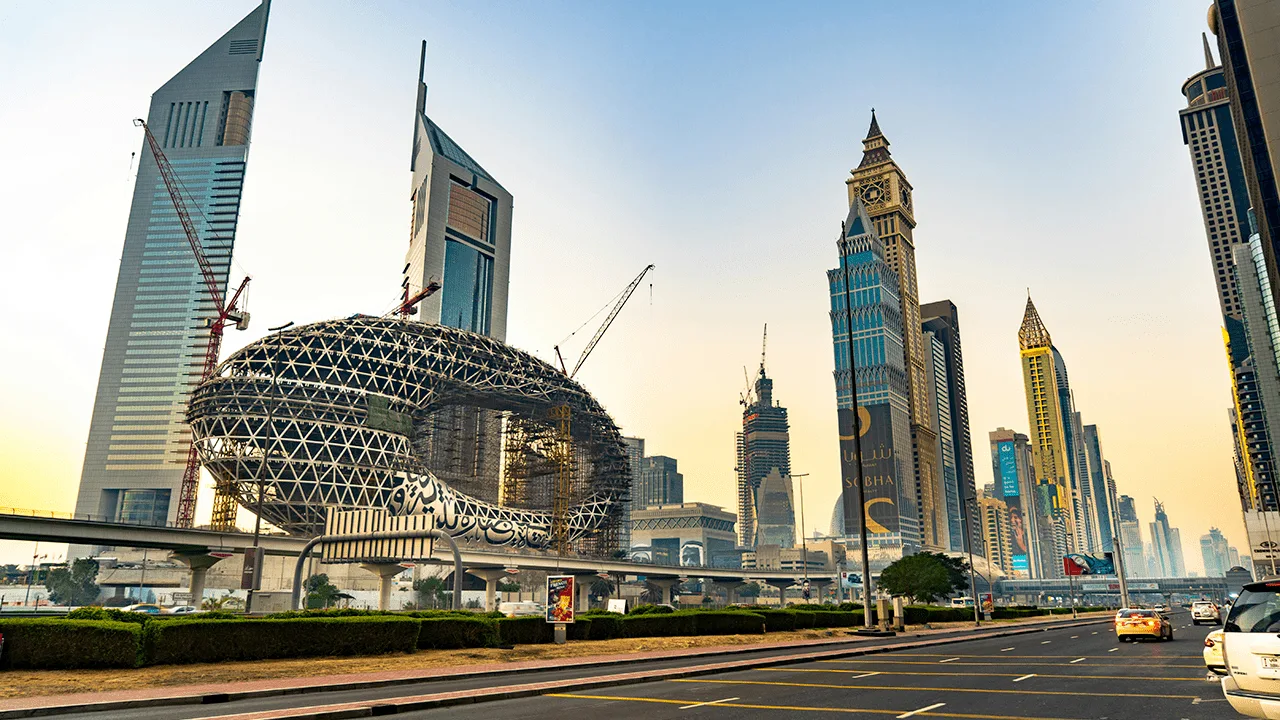
  • Key attractions like Expo City, Dubai Mall, and Museum of the Future draw global attention.
  • Investment opportunities in hotels, resorts, restaurants, and travel services.
  • A growing focus on eco-tourism and sustainable travel.

Technology and innovation

Dubai is rapidly becoming a global tech hub, with initiatives like Smart Dubai and Dubai Internet City driving innovation. The technology sector offers immense opportunities for startups and established companies alike.

Why invest in technology?

  • Government support for tech startups and innovation.
  • Focus on emerging technologies like artificial intelligence, blockchain, and fintech.
  • Dedicated free zones like Dubai Silicon Oasis and Dubai Internet City.
  • Growing demand for digital transformation across industries.

Healthcare and pharmaceuticals

The healthcare sector in Dubai is experiencing rapid growth, driven by an increasing population, medical tourism, and government investment in healthcare infrastructure.

Why invest in healthcare and pharmaceuticals?

  • High demand for specialized medical services and facilities.
  • Opportunities in wellness centers, clinics, and pharmaceutical manufacturing.
  • Dubai’s vision to become a leading medical tourism destination.
  • Tax incentives and streamlined licensing for healthcare businesses.

Retail and e-commerce

Dubai’s position as a global shopping destination and its tech-savvy population make the retail and e-commerce industries highly lucrative.

Why invest in retail and e-commerce?

  • A thriving retail scene, with mega-malls and luxury shopping experiences.
  • Rapid growth in online shopping due to a digitally connected population.
  • Opportunities in niche markets like sustainable fashion and local products.
  • Government initiatives to support e-commerce platforms and logistics.

Renewable energy and sustainability

Dubai is leading the charge in renewable energy and sustainability with ambitious projects like the Mohammed bin Rashid Al Maktoum Solar Park.

Why invest in renewable energy?

  • Strong government support for green energy initiatives.
  • High demand for energy-efficient solutions in residential and commercial sectors.
  • Opportunities in solar energy, waste management, and sustainable construction.
  • Alignment with the UAE’s vision to achieve net-zero emissions by 2050.

Education and training

The education sector in Dubai is growing rapidly, fueled by a multicultural population and a demand for quality learning opportunities.

Why invest in education and training?

  • High demand for international schools and higher education institutions.
  • Opportunities in vocational training, e-learning platforms, and corporate training.
  • Government initiatives to promote innovation and digital learning.
  • A young and diverse population with a strong focus on education.

Financial services

Dubai is a leading financial hub in the Middle East, offering a robust ecosystem for banking, investment, and financial technology.

Why invest in financial services?

  • Home to the Dubai International Financial Centre (DIFC), a global financial hub.
  • Growing demand for fintech solutions and digital banking.
  • Opportunities in wealth management, insurance, and venture capital.
  • Strategic location for connecting with global financial markets.

Logistics and trade

Dubai’s logistics and trade sectors are thriving due to its position as a global gateway and its world-class ports and airports.

Why invest in logistics and trade?

  • Proximity to key markets in Europe, Asia, and Africa.
  • Advanced infrastructure, including Jebel Ali Port and Al Maktoum International Airport.
  • Opportunities in supply chain management, warehousing, and freight services.
  • Free zones like JAFZA and Dubai South cater specifically to logistics businesses.

Frequently asked questions about setting up a business in Dubai

Frequently asked questions about setting up a business in Dubai

Dubai is one of the most popular destinations for entrepreneurs and businesses looking to establish themselves in the Middle East. With its strategic location, tax advantages, and pro-business environment, the city offers countless opportunities. However, setting up a business in Dubai often raises many questions. This blog answers some of the most frequently asked questions to help you better understand the process and make informed decisions.


1. What are the different types of business setups in Dubai?

Dubai offers three primary business setups:

  • Mainland: Businesses can operate across the UAE and trade directly with the local market.
  • Free Zone: Ideal for businesses focusing on international trade, offering 100% foreign ownership and tax benefits.
  • Offshore: Designed for international operations without physical premises in Dubai.

Your choice depends on your business model, market focus, and operational needs.

2. What licenses are required to operate a business in Dubai?

The type of license you need depends on your business activity. Common license categories include:

  • Commercial license: For trading and retail businesses.
  • Professional license: For service providers like consultants, lawyers, and freelancers.
  • Industrial license: For manufacturing and industrial activities.

Specialized licenses may be required for specific industries, such as healthcare, education, or tourism.

3. Do I need a local sponsor to set up a business in Dubai?

  • Mainland businesses: Historically, a local sponsor owning 51% of the business was required. However, recent reforms now allow 100% foreign ownership in most sectors.
  • Free Zone businesses: No local sponsor is required; you can fully own your business.
  • Offshore businesses: 100% foreign ownership is permitted, but local operations are restricted.

4. How much does it cost to set up a business in Dubai?

The cost of setting up a business varies depending on:

  • Business type (Mainland, Free Zone, or Offshore).
  • License type and business activities.
  • Office space requirements.
  • Additional fees for visas, approvals, and documentation.

On average, costs can range from AED 10,000 to AED 50,000 or more. Consulting a business setup expert can help you estimate your total investment.

5. What documents are needed to register a business?

Typical documents include:

  • Passport copies of shareholders and managers.
  • Proposed trade name.
  • Business activity details.
  • Memorandum of Association (MoA).
  • Proof of office address or tenancy contract.

Additional documents may be required depending on your business structure and jurisdiction.

6. How long does it take to set up a business in Dubai?

The process can take as little as 7 to 10 days for Free Zone businesses with straightforward setups. Mainland businesses may take 2 to 4 weeks due to additional approvals. Offshore setups are usually quicker but depend on specific requirements.

7. Can I operate my business without a physical office?

  • Mainland: A physical office is mandatory for registration.
  • Free Zones: Many free zones offer virtual offices or flexi-desk solutions, making it cost-effective for startups and freelancers.
  • Offshore: No physical office is required, but you must have a registered agent address.

8. What are the visa requirements for setting up a business?

Business owners and employees need residence visas to work in Dubai. The number of visas you can sponsor depends on your office space size and business setup. Free zones and mainland authorities provide streamlined visa services as part of the business registration process.

9. Is Dubai’s tax environment really beneficial?

Yes, Dubai’s tax environment is one of its main attractions:

  • No personal income tax.
  • Corporate tax: Introduced at 9% for profits exceeding AED 375,000, but qualifying free zone companies can obtain 0% on qualifying income, and smaller businesses may qualify for relief.
  • No capital gains tax or withholding tax.

These policies make Dubai highly attractive for businesses and entrepreneurs.

10. Do I need professional help to set up a business?

While it’s possible to navigate the setup process independently, many entrepreneurs prefer working with business setup consultants. These experts can:

  • Handle paperwork and legal requirements.
  • Advise on the best business structure and jurisdiction.
  • Streamline the licensing and visa processes.

Professional assistance saves time, reduces errors, and ensures compliance with UAE regulations.

How to open a business bank account in Dubai

How to open a business bank account in Dubai

Opening a business bank account is a crucial step for establishing your company in Dubai. A dedicated account ensures smooth financial operations, builds credibility with partners, and is often a legal requirement for businesses operating in the UAE. While the process is relatively straightforward, it’s important to understand the requirements, documents needed, and the steps involved. This blog provides a step-by-step guide to help you open a business bank account in Dubai.


Why do you need a business bank account in Dubai?

A business bank account offers several advantages:

  • Compliance: UAE regulations require businesses to separate personal and company finances.
  • Credibility: A business account enhances trust and professionalism with clients and partners.
  • Ease of transactions: Simplifies payments, invoicing, and payroll management.
  • Access to financial services: Enables access to credit facilities, loans, and business advisory services.

Requirements to open a business bank account

Before starting the process, ensure you meet these key requirements:

  • A valid business license from the appropriate Dubai authority (Mainland, Free Zone, or Offshore).
  • A physical office address in the UAE.
  • Proof of business activity and ownership structure.
  • A minimum deposit, depending on the chosen bank.

Each bank may have specific requirements, so it’s essential to consult the bank beforehand.

Documents needed to open a business bank account

Prepare the following documents to ensure a smooth application process:

  1. Company documents:

    • Trade license.
    • Certificate of incorporation.
    • Memorandum of Association (MoA) or Articles of Association.
    • Shareholder resolution (if applicable).
  2. Identification documents:

    • Passport copies of all shareholders and signatories.
    • Emirates ID (if applicable).
  3. Proof of business activity:

    • Office tenancy contract or Ejari.
    • Company invoices, contracts, or trade agreements.
  4. Banking-related forms:

    • Completed account opening application.
    • Specimen signatures of authorized signatories.

Banks may request additional documents based on your company type and activity.

Steps to open a business bank account

Follow these steps to open your account successfully:

  1. Choose the right bank
    Research banks in Dubai to find one that aligns with your business needs. Popular options include:

    • Emirates NBD
    • Mashreq Bank
    • Dubai Islamic Bank
    • HSBC

    Consider factors like account fees, services offered, and minimum balance requirements.

  2. Select the account type
    Choose an account tailored to your business operations, such as:

    • Current accounts for day-to-day transactions.
    • Savings accounts for surplus funds.
    • Multi-currency accounts for international businesses.
  3. Submit your application
    Visit the bank and provide all required documents. Ensure forms are accurately filled out to avoid delays.

  4. Undergo compliance checks
    The bank will conduct due diligence to verify your company’s legitimacy, including background checks on shareholders and signatories.

  5. Deposit the initial amount
    Some banks require a minimum deposit to activate the account. Ensure you’re aware of the amount beforehand.

  6. Receive account details
    Once approved, you’ll receive account details, including your IBAN and online banking credentials.

Tips for a smooth process

  • Be transparent: Ensure your documents and information are accurate and complete to avoid rejection.
  • Plan for time: The process may take several weeks due to compliance checks, especially for new businesses.
  • Seek professional assistance: Business consultants can help you navigate bank requirements and streamline the process.

How corporate tax works for Free Zone companies in the UAE

How corporate tax works for Free Zone companies in the UAE

For years, Dubai marketed itself on a simple message: no tax. That era ended in June 2023, when the UAE introduced a federal corporate tax, and any serious guide has to start there. The good news is twofold: there is still no personal income tax on salaries in the UAE, and free zone companies can still reach a 0% corporate rate, but only on certain income and only if they meet specific conditions. This guide explains how the rules work and what they require of you. The authoritative source is the Federal Tax Authority at tax.gov.ae.

The basics: 0% and 9%

UAE corporate tax applies at 0% on taxable income up to AED 375,000 and 9% above that threshold. Free zone companies are inside the system, not outside it: a company that qualifies as a Qualifying Free Zone Person (QFZP) pays 0% on its qualifying income, while its other taxable income is taxed at 9%. The AED 375,000 threshold does not apply to that income. A free zone license alone does not deliver the 0% rate; the conditions do.

What it takes to be a Qualifying Free Zone Person

The main conditions, set by the Federal Tax Authority, are:

  • Maintain adequate substance in the free zone, meaning real activity, premises and people rather than a mailbox.
  • Derive qualifying income, with only a limited share of revenue from non-qualifying sources.
  • Comply with transfer pricing rules and documentation.
  • Prepare audited financial statements.
  • Not have elected to be taxed at the standard rates instead.

Fail the conditions, and the company is taxed as a normal business. The details of each condition are defined in the law and the FTA guides, and they change; check the current versions before relying on them.

What counts as qualifying income

Broadly, qualifying income covers transactions with other free zone persons and income from a defined list of qualifying activities, while income from excluded activities and most mainland business is taxed at 9%. Where your revenue actually comes from therefore decides most of your tax position, and that is a question about your business model, not about your license.

The duties that come with it

Corporate tax also brought obligations that did not exist before: registering for corporate tax, keeping proper accounts, preparing the audited financial statements the QFZP status requires, and filing returns on time. Budget for the compliance work from day one; losing the 0% rate over paperwork is an expensive way to save on accounting.

Personal income tax is a separate question

The UAE levies no personal income tax on salaries, and that has not changed. What the UAE does not tax, your home country still might: your personal tax position depends on your home country’s residency rules and your own situation, so have it confirmed by your own tax adviser before you build plans on it.

Dubai Tradeshore assists with the setup itself, from choosing the free zone to registration and bank account assistance. For how the rules apply to your specific numbers, we recommend involving a tax adviser early, and we are happy to work alongside yours.